Sustainable sourcing India 2026 is rapidly becoming a defining factor for global importers evaluating long-term partners. Consequently, B2B buyers across the USA, Europe, Middle East, and Asia-Pacific now prioritize suppliers who balance environmental stewardship, social responsibility, ethical labor practices, and reliable export performance. Moreover, sustainability isn’t simply compliance — it directly affects cost efficiency, brand reputation, and supply chain resilience. Therefore, understanding the sustainable sourcing framework in India, particularly for natural stone and construction materials, helps international buyers make informed decisions that reduce risk, optimize costs, and strengthen project outcomes.
Sustainable sourcing India 2026 refers to responsible procurement practices that ensure materials are ethically sourced, environmentally sound, and compliant with international standards. For export businesses like Stonecrest International, this means transparent quarry sourcing, environmental safeguards, traceable supply chains, and compliance documentation that meets the expectations of international procurement leaders and supply chain managers.
What Is Sustainable Sourcing India 2026?
Sustainable sourcing in India means ethical, environmentally responsible, and socially conscious procurement and export of materials. Specifically, it involves:
- Ethical Quarry Access – Partnering only with licensed, environmentally audited quarries in India.
- Environmental Protection – Reducing water usage, managing waste, minimizing carbon footprints, and adhering to local land-use regulations.
- Worker Safety & Community Support – Fair wages, protective equipment, and community investments.
- Traceability & Documentation – Providing international buyers with full transparency on origin, quality testing, and compliance for customs and certification requirements.
For 2026, sustainable sourcing in India increasingly means integrating global standards like ISO certifications, environmental audit reports, and documented labor compliance so buyers from Europe, North America, and GCC markets can confidently source without compliance risk.
Why Sustainable Sourcing Matters to International Buyers
Cost Efficiency and Regulatory Confidence
Importers face rising environmental compliance costs and stricter import regulations across major markets. For example, EU buyers require documentation proving that raw materials are sustainably extracted and meet criteria for CE or equivalent certifications. Failure to present these can delay customs clearance and increase demurrage charges.
Reputation and Brand Assurance
Large retail chains, architectural firms, and construction companies now demand suppliers that share environmental and social values. Sustainable sourcing gives buyers a tangible story to present to their stakeholders, enhancing brand positioning and risk mitigation.
Long-Term Supply Chain Security
Sustainable sourcing supports resource regeneration and stable supplier relationships, meaning fewer disruptions over time. This reliability is especially critical for bulk material contracts where consistency in delivery and quality underpins project timelines.
Key Components of Sustainable Sourcing India 2026

1. Ethical Quarry Partnerships
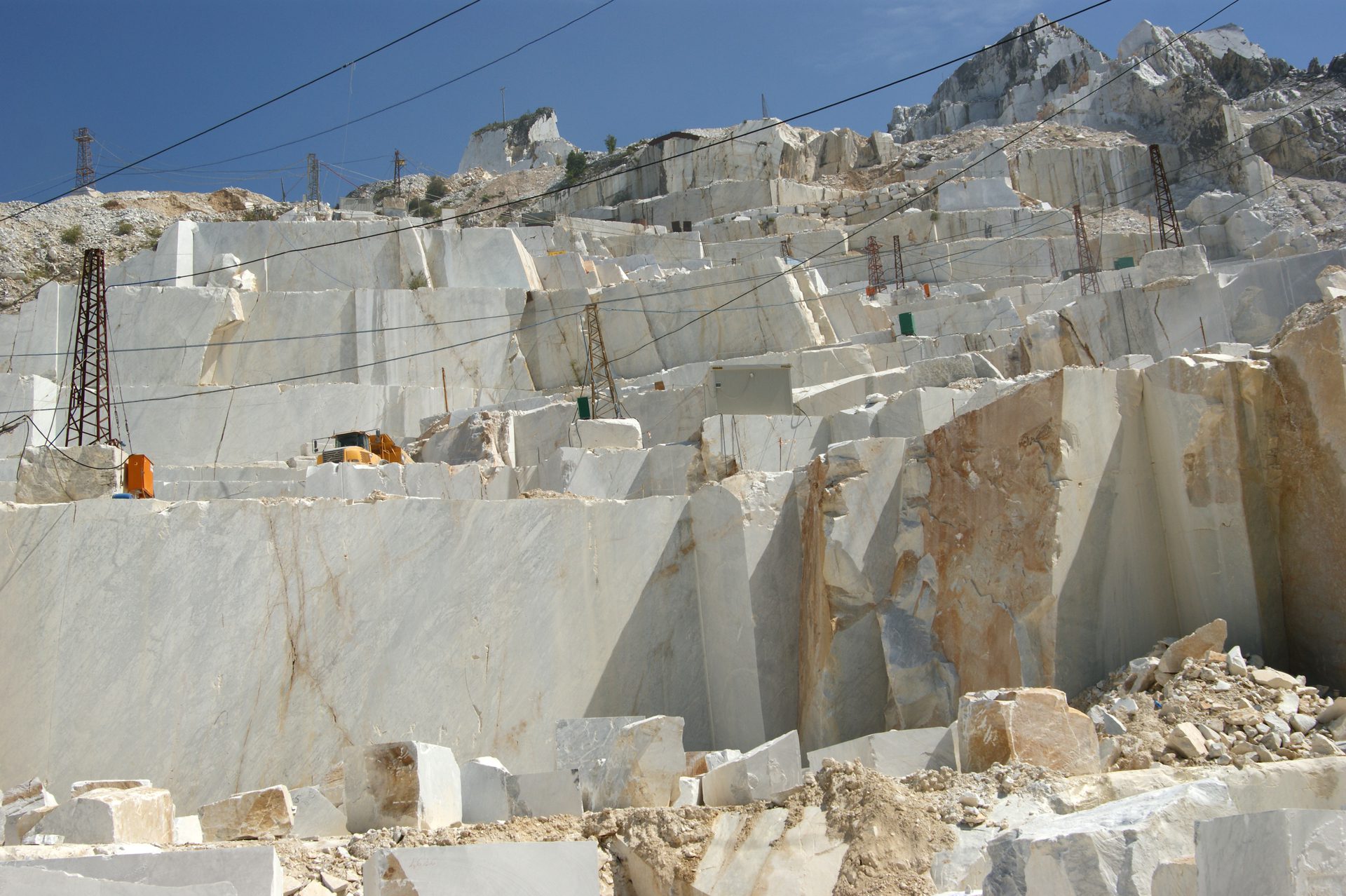
India’s stone industry spans diverse regions with massive geological variety. Sustainable sourcing ensures that quarry operations follow environmental impact assessments (EIAs) and mineral extraction licenses. Partnering with quarries that invest in water recycling systems, dust control, and land rehabilitation keeps environmental liabilities low.
Example: A quarry with integrated water treatment minimizes freshwater withdrawal by using closed-loop systems, which is measurable and verifiable in sustainability audits.
2. Environmental Impact Reduction
Efficient energy use, proper waste management, and reduced carbon emissions are now measurable metrics. Sustainable exporters invest in energy-efficient cutting lines, low-emission transport contracts, and aggregation facilities that track energy usage and waste disposal.
3. Worker Safety and Community Support
Companies with ethical labor practices are more attractive to international buyers — especially in markets with strict labor import policies like the EU and the UK. Practices include fair wages, scheduled safety training, adequate protective gear, and community development contributions.
4. Full Documentation & Traceability
Providing CE, test certificates, quality inspection reports, and customs compliance documentation ensures a smooth import process. These records offer assurance to importers that materials will be accepted without delays or penalties.
Step-by-Step Guide to Sustainable Sourcing from India
Step 1: Supplier Verification
Vet suppliers for licensing, environmental compliance, labor practices, and quality records.
Step 2: Environmental Screening
Request documentation on waste management systems, energy consumption metrics, water recycling, and rehabilitation practices.
Step 3: Quality Inspection & Certification
Demand third-party lab test reports for physical properties, CE marking (or equivalents), and conformity declarations.
Step 4: Transparent Logistics Planning
Plan shipping routes with carriers who offer greener logistics options (e.g., optimized sea routes, consolidated shipments).
Step 5: Ongoing Supplier Monitoring
Annual verification ensures that standards remain consistent — particularly as markets tighten environmental regulations.
Common Challenges & Practical Solutions
| Challenge | Practical Solution |
|---|---|
| Lack of documentation | Establish standardized test & certification protocols with your Indian partner |
| Price vs quality trade-off | Negotiate long-term contracts that combine volume incentives with sustainability terms |
| Communication gaps | Use dedicated export liaisons who understand both market and regulatory languages |
| Export compliance risks | Work with partners experienced in EU/UK/US customs documentation |
Case Example: Ethical Stone Sourcing for European Markets
In Europe, architectural projects increasingly require certified environmental performance to qualify for project financing and green building ratings. By sourcing from ethically audited quarries in India that provide detailed environmental impact reports, buyers benefit from:
- Faster customs clearance
- Reduced compliance queries
- Better terms with financing partners
- Trust among stakeholders
These outcomes lead to repeat partnerships and steady demand growth for Indian exporters who adopt early sustainable practices.
External link example: European importers often refer to European Union environmental compliance guidance when verifying procurement documentation.
Best Practices for Export Buyers in 2026
- Collaborate early with sourcing partners for sustainability audits.
- Insist on full traceability — from quarry to port shipment.
- Evaluate logistics partners based on environmental performance.
- Use sample inspection services to confirm quality prior to full order placement.
- Plan for evolving regulations — particularly in EU, UKCA, and US markets.
How Stonecrest International Supports Sustainable Sourcing
Stonecrest International works with licensed Indian quarries and maintains stringent quality controls that align with sustainable sourcing practices. Their export teams provide:
- Verified quarry sourcing data
- Quality testing & certification reports
- Transparent documentation for customs compliance
- Sustainable logistics options to reduce carbon footprint
This structured sourcing model gives international buyers the confidence to commit to long-term contracts without risk.
What This Means for Your Business
For procurement managers and supply chain leaders, embedding sustainable sourcing India 2026 into your supplier evaluation process means less risk and more predictable delivery. Cost savings emerge over time through fewer customs delays, reduced re-work costs, and stronger brand trust with stakeholders. Moreover, ethical sourcing practices attract institutional buyers who require documented supplier responsibility as a part of their procurement scorecards.
Sustainable sourcing India 2026 combines ethical procurement, environmental responsibility, regulatory compliance, and supply chain transparency. As global importers increasingly prioritize these factors, choosing partners who meet these standards will define competitiveness in 2026 and beyond. Structured sustainability not only mitigates risk, it proactively enhances your project delivery outcomes and positions your supply chain as responsible and future-ready.
Ready to source sustainably from India? Contact Stonecrest International to explore certified suppliers, documentation support, and tailored sourcing strategies for your next project.